
epardafas.com Fiscal Nepal Peoples' Review Enewspolar Click Nepal
8 sources · 10 articles
Started 23 hours ago · Updated 3 hours ago

Nepal's Budget Increases Capital Gains Tax, Boosts Insurance Sector, and Reforms EV Policies

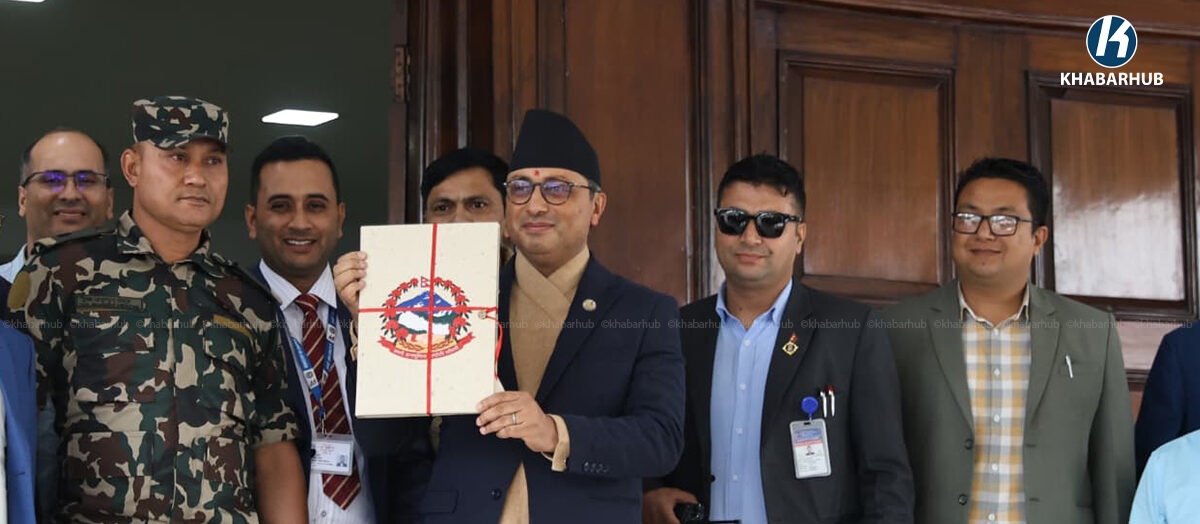
Photo · english.insurancekhabar.com

Nepal's government has introduced a new budget for the upcoming fiscal year that significantly impacts the insurance sector, increases capital gains tax on share trading and real estate, and enacts reforms for electric vehicles. The budget aims to universalize health insurance, provide subsidies for agricultural insurance, and mandate workplace accident compensation, while also adjusting tax rates for capital gains and introducing new fees for electric vehicles.

  • The government has allocated Rs. 2.31 billion for agricultural insurance subsidies and Rs. 2.815 billion for the health insurance program, with a goal to cover 90 percent of Nepalis under health insurance within three years.
  • Capital gains tax on shares sold within one year will now be 10 percent, and on shares sold after one year, it will be 7.5 percent, a change from previous rates of 5 percent and 7.5 percent respectively.
  • Third-party insurance coverage will be increased to Rs. 10 lakh from the current Rs. 5 lakh, and accident devices will be installed in vehicles to reduce road accidents.
  • Electric vehicle taxation has shifted from a power capacity-based system to a value-based model, and a new 'Clean Infrastructure Investment Fee' has been introduced on imported EVs.
  • The budget also includes provisions for mandatory insurance for workplace accidents and a plan to establish a revolving fund to return money to savers of troubled cooperatives.

Timeline (10)

Share ↗
Related

More in Economy

See all
Kathmandu Metropolitan City: Over 1100 Cooperatives Unreachable, Action Initiated Kathmandu Metropolitan City: Over 1100 Cooperatives Unreachable, Action Initiated

Over 1,186 cooperative institutions operating within Kathmandu Metropolitan City are currently out of contact, according to the Metropolitan Cooperative Department. The department has initiated legal action against these non-responsive cooperatives, with the ward women's network tasked with regulation and problem resolution. Dhruvkumar Kafle, head of the department, stated that the process of taking action against the cooperatives that are out of contact according to the law has been initiated.

3 articles · 29 minutes ago
Private Sector Welcomes Increased Capital Expenditure in Nepal's Budget Private Sector Welcomes Increased Capital Expenditure in Nepal's Budget

Leaders from Nepal's private sector, including the Federation of Nepalese Chambers of Commerce and Industry (FNCCI), have welcomed the government's decision to increase capital expenditure in the budget for fiscal year 2083/84. They expressed optimism that this focus on infrastructure development and other measures will help revitalize the economy and boost business confidence. The private sector also highlighted the importance of effective implementation of these budgetary provisions.

12 articles · 49 minutes ago
Nepal Unveils Rs 2.124 Trillion Budget with Tax Reforms and Economic Growth Targets Nepal Unveils Rs 2.124 Trillion Budget with Tax Reforms and Economic Growth Targets

The government has presented a budget of Rs 2.124 trillion for fiscal year 2026/27, featuring significant tax reforms, including an increased personal income tax exemption threshold and changes to capital gains tax. Finance Minister Swarnim Wagle announced the budget, which aims to boost economic growth to 7 percent and includes measures to attract foreign investment and support key sectors like agriculture and health.

6 articles · 2 hours ago
Nepal's Finance Ministry Clarifies EV Tax Amidst Legislative Drafting Controversy Nepal's Finance Ministry Clarifies EV Tax Amidst Legislative Drafting Controversy

Nepal's Finance Ministry has issued a clarification regarding the new tax framework for electric vehicles (EVs) following the announcement of the fiscal year 2083/84 budget. The clarification addresses the Clean Infrastructure Investment Fee, which replaces the previous excise duty, with rates now based on vehicle value rather than motor capacity. However, controversy persists due to perceived inconsistencies in the drafting of the Economic Bill 2083, which has since been removed from the ministry's website.

5 articles · 3 hours ago