OnlineKhabar English News Nepal News Enewspolar English.MakaluKhabar.com The Rising Nepal | Nepal's First English Broadsheet Daily.
8 sources · 8 articles
Started 1 week ago · Updated 1 week ago

Camera Trapping Initiative Launched to Monitor Endangered Red Pandas in Dhaulagiri

Photo · english.nepalnews.com

Camera traps have been installed in Myagdi's Dhaulagiri Rural Municipality, including the Jaljala and Dhorpatan Hunting Reserve areas, to assess the condition and population of endangered red pandas. The Biodiversity Conservation Society Nepal, with donor assistance, is using automated devices to record the animals' behavior and habitat, and a technical team is examining scat for health and conservation insights.

  • The camera trapping method is employed to understand the red panda's behavior, habitat, and to estimate their numbers, with 12 automated cameras placed in likely movement areas and where droppings were found.
  • Studies are also underway to investigate parasites affecting the red pandas, with scat examination aimed at determining their health status to inform conservation efforts.
  • The red panda, a protected wildlife species listed under the National Park and Wildlife Conservation Act, 2029, inhabits hilly forests between 2,200 to 4,500 meters altitude.
  • Previous records indicate between 6 to 25 red pandas in the Jaljala area, and the latest national study estimates their population in Nepal to be between 500 to 1,000.
  • Penalties for poaching red pandas include jail terms of 1 to 10 years and fines ranging from Rs 100,000 to Rs 500,000.

Timeline (8)

Share ↗
Related

More in Environment

See all
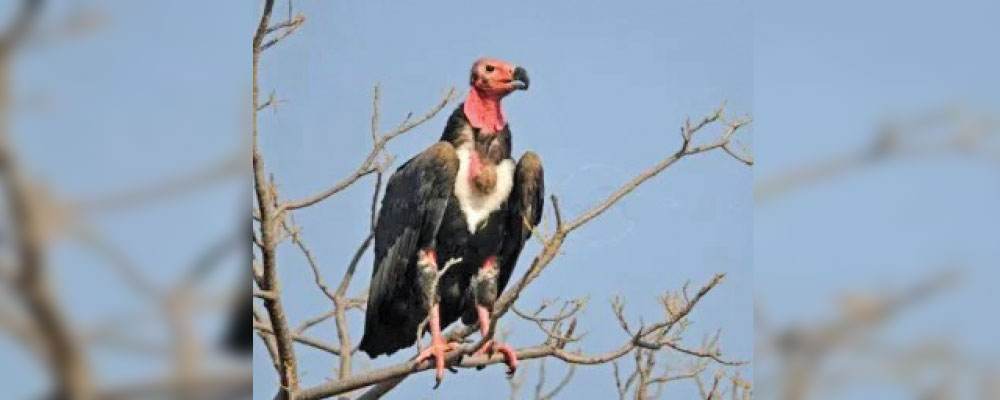
Endangered red-headed vultures sighted in Bardiya's Krishnasar Conservation Area Endangered red-headed vultures sighted in Bardiya's Krishnasar Conservation Area

Conservationists are expressing happiness after a flock of approximately 12 endangered red-headed vultures were regularly sighted in Nepal's Krishnasar Conservation Area over the past week. This marks a significant return for the species, which had largely disappeared from the region and was believed to have vanished after nests were last found about 15 years ago. Officials hope the birds may eventually settle and nest permanently in the protected area.

3 articles · 4 hours ago